The problem with looking natural
Commercial lifestyle photography is full of moments that are meant to feel spontaneous. The difficulty is that a real production still has a schedule, a location, a shot list and an idea that needs to be communicated. If every gesture is controlled, the images become stiff. If nothing is directed, the story can lose its purpose.
My approach begins by creating a situation that gives people something to do. Music, dancing, swimming or sharing a meal produces attention and movement naturally. I can then concentrate on light, composition and the relationship between one frame and the next.
Give people an action
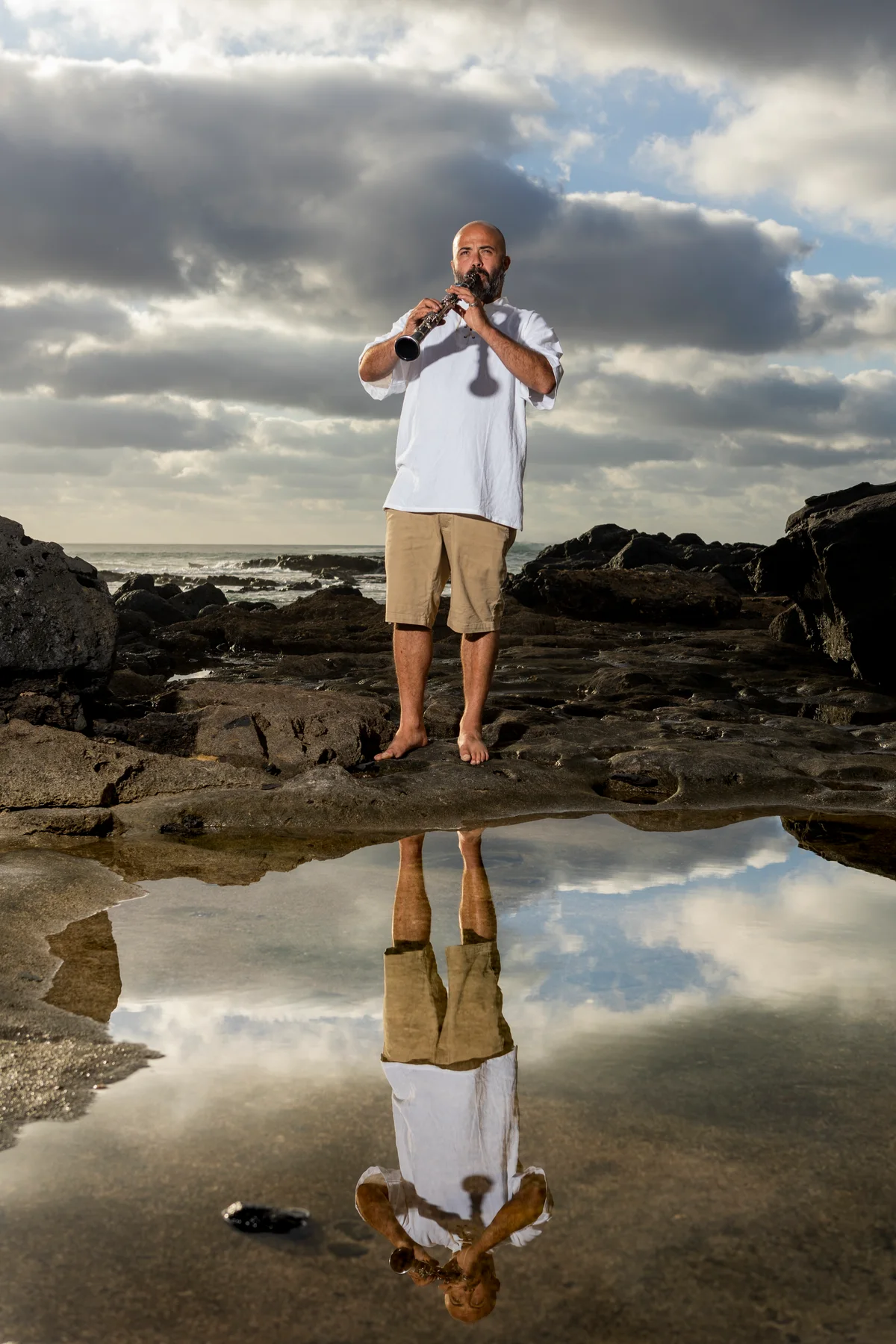
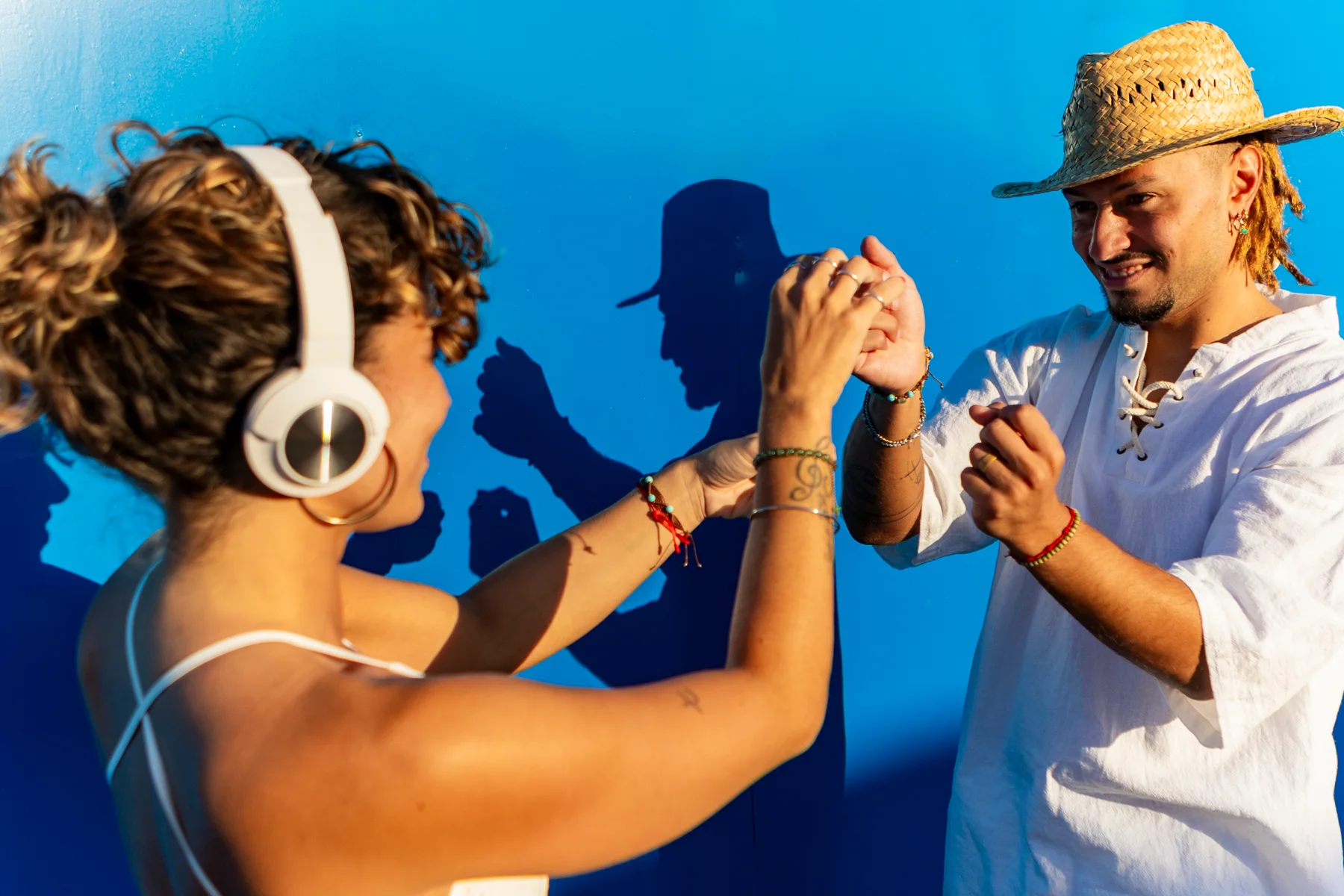
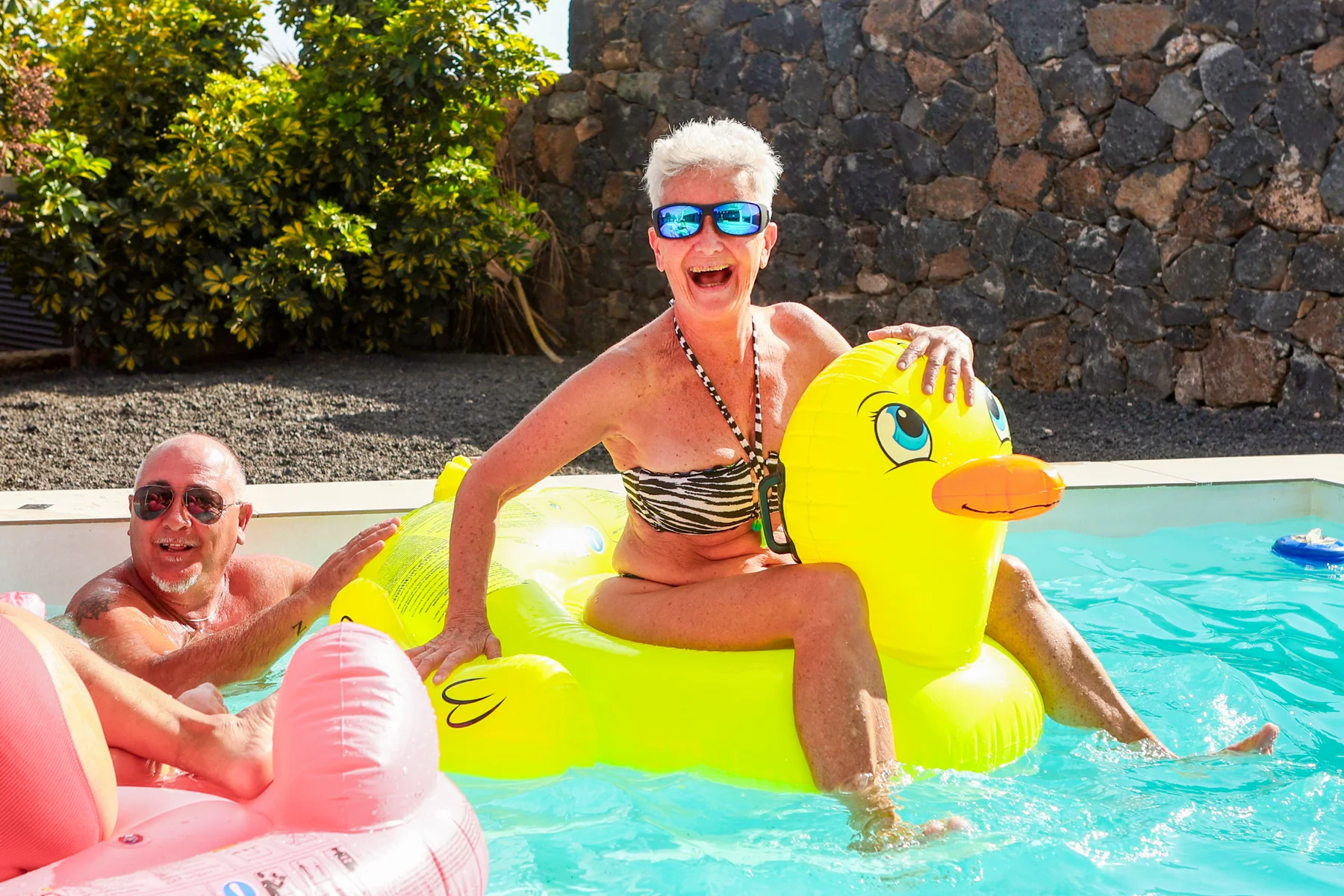
A person standing in an empty space quickly becomes aware of the camera. A saxophonist playing beside the Atlantic has a rhythm, posture and reason to look away. Two people dancing with headphones respond to each other instead of waiting for instructions. At a pool, laughter and physical movement change the picture before a pose has time to settle.
These actions are not decoration. They carry the concept. Music can communicate creativity, dancing can communicate connection and a celebration can communicate friendship or freedom. The commercial message grows from what is actually happening inside the frame.
Direction should be almost invisible
I still make decisions before and during the scene. I choose backgrounds that support the colour palette, look for light that lets skin and environment work together, and move people when the composition needs space. Then I allow the action to continue long enough for something less predictable to happen.
The photograph that looks effortless often depends on preparation. The aim is not to hide the production. It is to prevent the production from becoming more important than the people.
A campaign needs more than one hero image
Clients rarely need a single photograph. They need horizontal and vertical formats, wide scenes with room for text, portraits, close details and transitions that can work across a website or campaign. Repeating one person in the same setting may produce a coherent shoot, but it does not create a complete library.
That is why I build the edit around different people, activities and distances. The visual language stays consistent while the situations change. Variety makes the work more useful and also makes the final story feel closer to real life.
The result I am looking for
A strong lifestyle photograph should communicate an idea immediately and still feel inhabited. The viewer understands the mood, but the people do not appear to exist only for the camera. That balance is where a commercial image can remain clear without becoming generic.