A flag cannot carry the whole story
Pride flags are clear symbols and they have a place in documentary work. They cannot be the only visual language of an LGBTQ+ portfolio. When every photograph depends on the same symbol, different people and relationships begin to look like one repeated story.
I wanted this edit to move towards ordinary life: couples walking through a village, parents with their child, two women camping, older partners travelling and an individual portrait made in warm evening light. Identity remains present, but it is carried by people rather than props.
Sheila and Cris
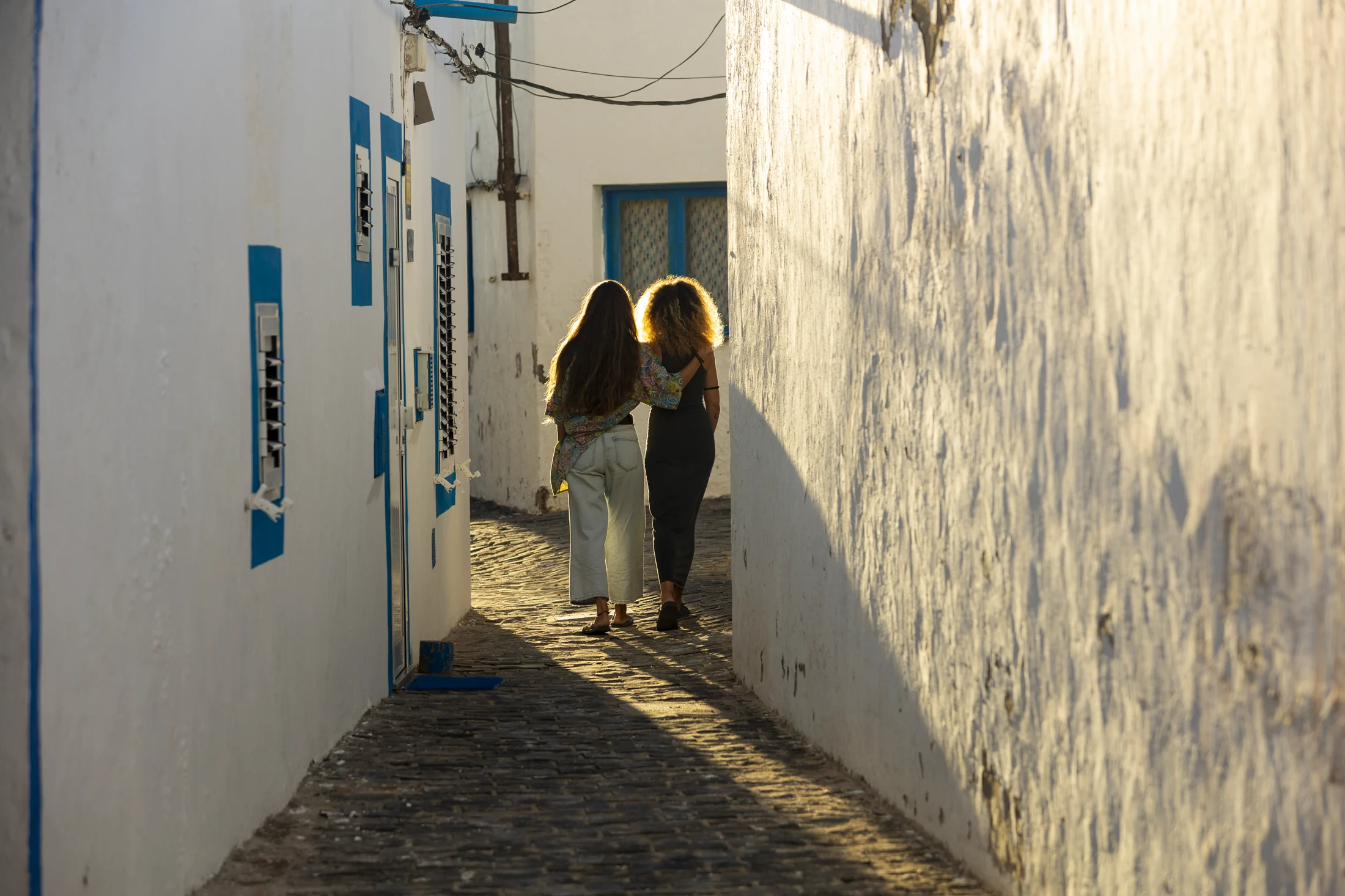
The photograph of Sheila and Cris walking away through a narrow street is quiet. There is no performance for the camera and no obvious sign explaining who they are. Their closeness is visible in the way they move together and in the arm placed across a shoulder.
That kind of image matters because representation also happens in small gestures. The sun, white walls and blue details describe the location, while the couple creates the emotional centre. It feels like part of a day rather than an announcement.
Families belong in the picture
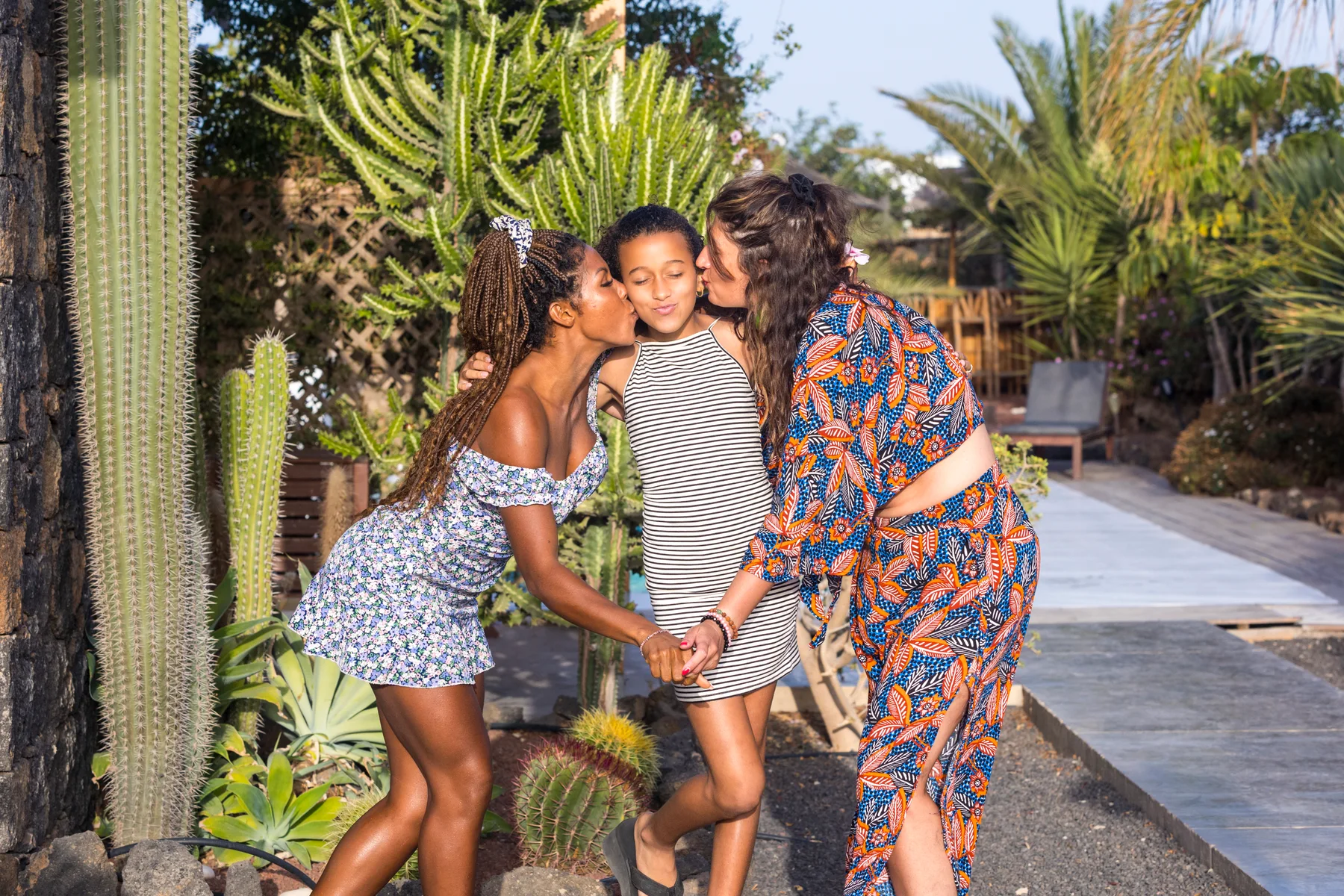
The family sessions expand the story beyond the couple. Cooking, preparing breakfast or kissing a child in the garden shows affection and routine. These are useful commercial and editorial images because they represent a family through recognisable experiences rather than treating it as an exception.
The camera still needs to make the relationship understandable. A photograph of one person alone cannot communicate a couple or a family simply because it was made during an LGBTQ+ session. The selected frame has to carry the meaning itself.
Different generations and backgrounds
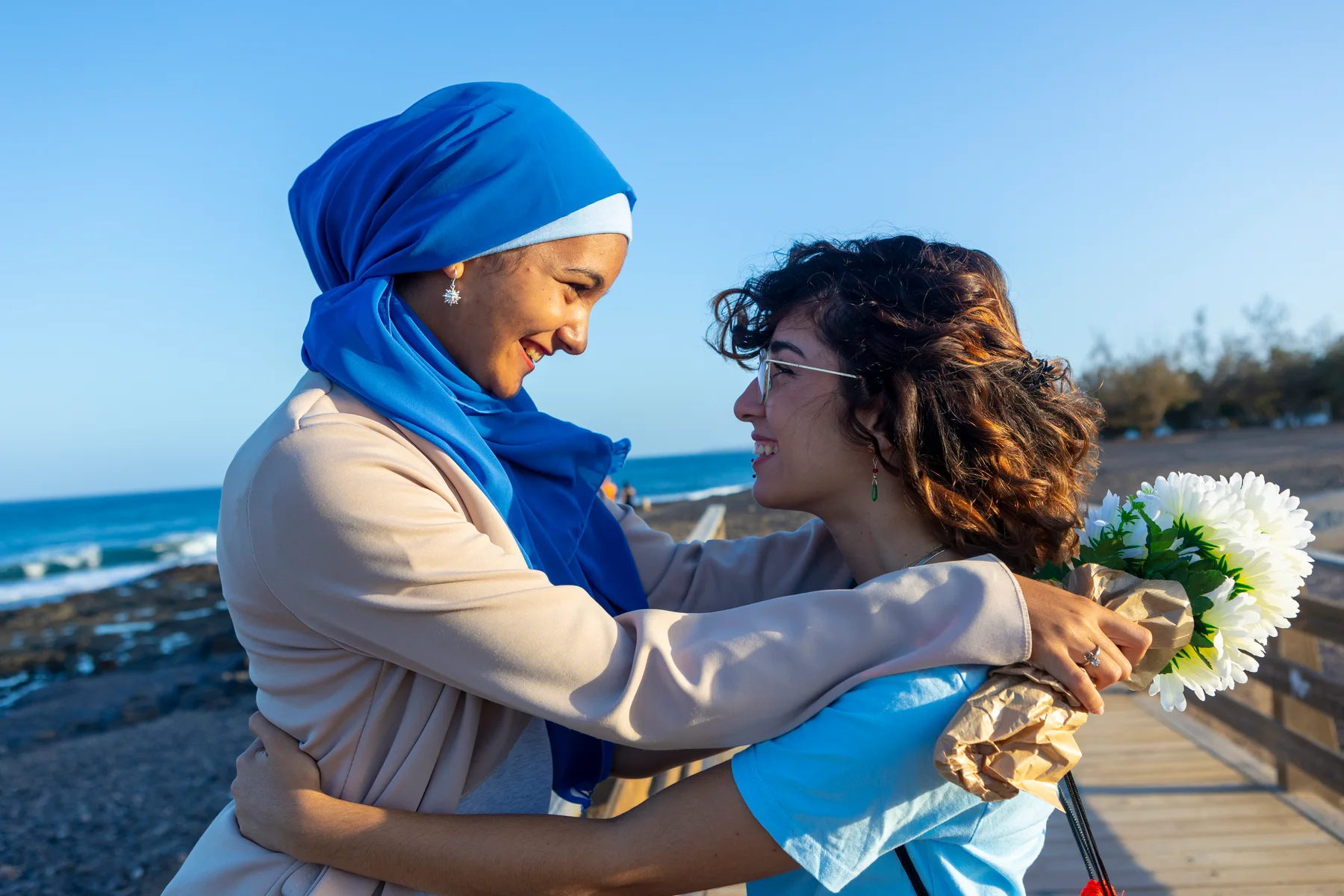
The archive also includes older couples, an Arabic lesbian couple and individual portraits. Those sessions prevent the portfolio from presenting queer life as one age, one appearance or one cultural experience. Each setting requires its own visual decisions.
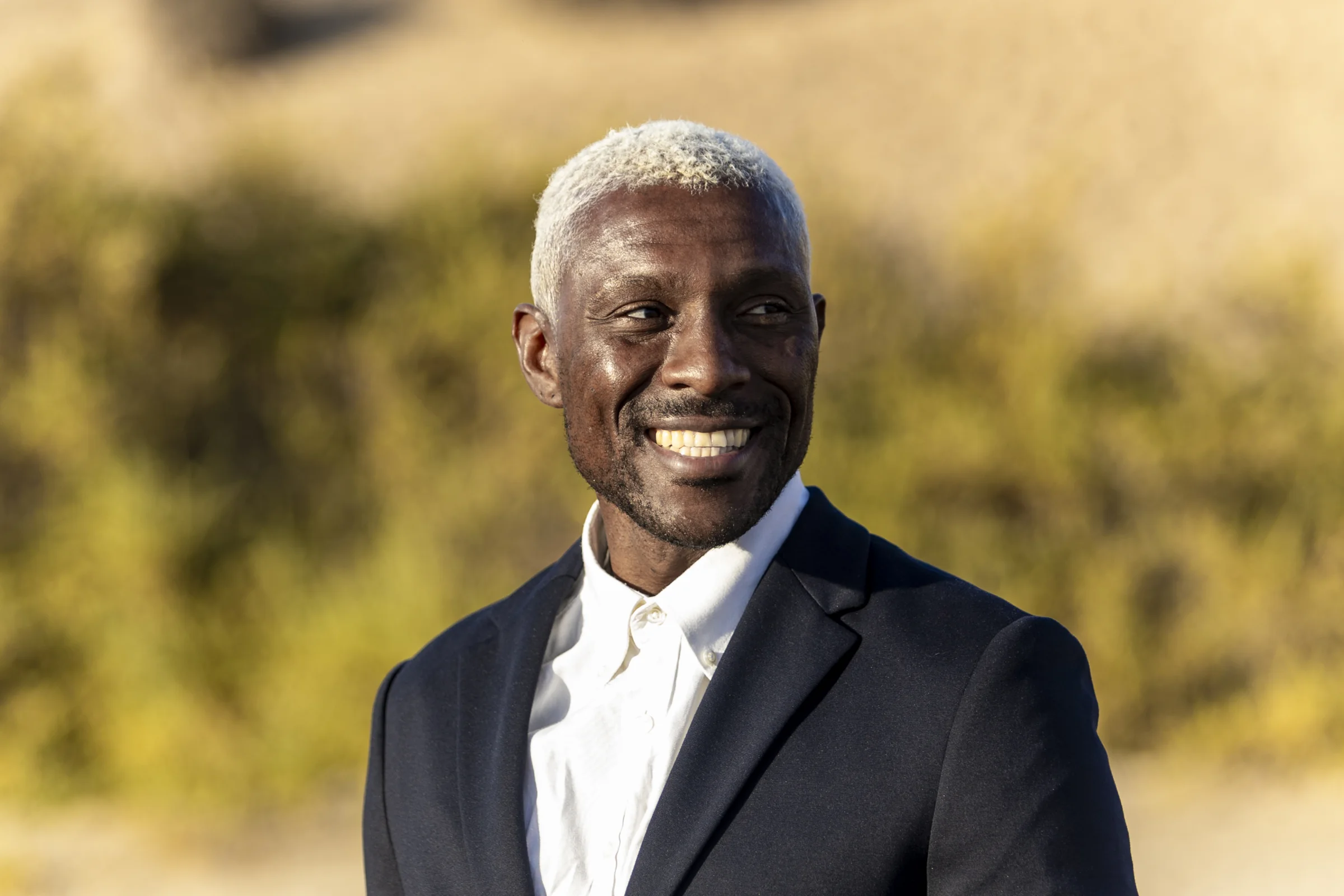
Beside the sea, clothing, flowers and physical closeness build a soft portrait. In the image of Mario in Gran Canaria, colour, styling and expression make a confident individual portrait. The work can be visually varied without losing its purpose.
What inclusive commercial photography can do
Brands and organisations often want inclusive images, but inclusion becomes shallow when people are added only to satisfy a category. A stronger approach begins with a real situation and gives each person something more specific than a demographic label. The photograph should still work because of its light, composition and emotional clarity.