The journey is the subject
Travel photography often begins with the idea of collecting beautiful places. That is not enough for me. A useful travel story needs a sense of arrival, distance and change. It should show why one place feels different from the next, and why a person might want to experience it rather than simply recognise it.
This selection moves between two very different ways of travelling: the enormous landscape around Basaseachi in Mexico and the compressed energy of Hanoi. One asks for distance and patience. The other asks for proximity, timing and a willingness to let the street interrupt the plan.
Basaseachi from above
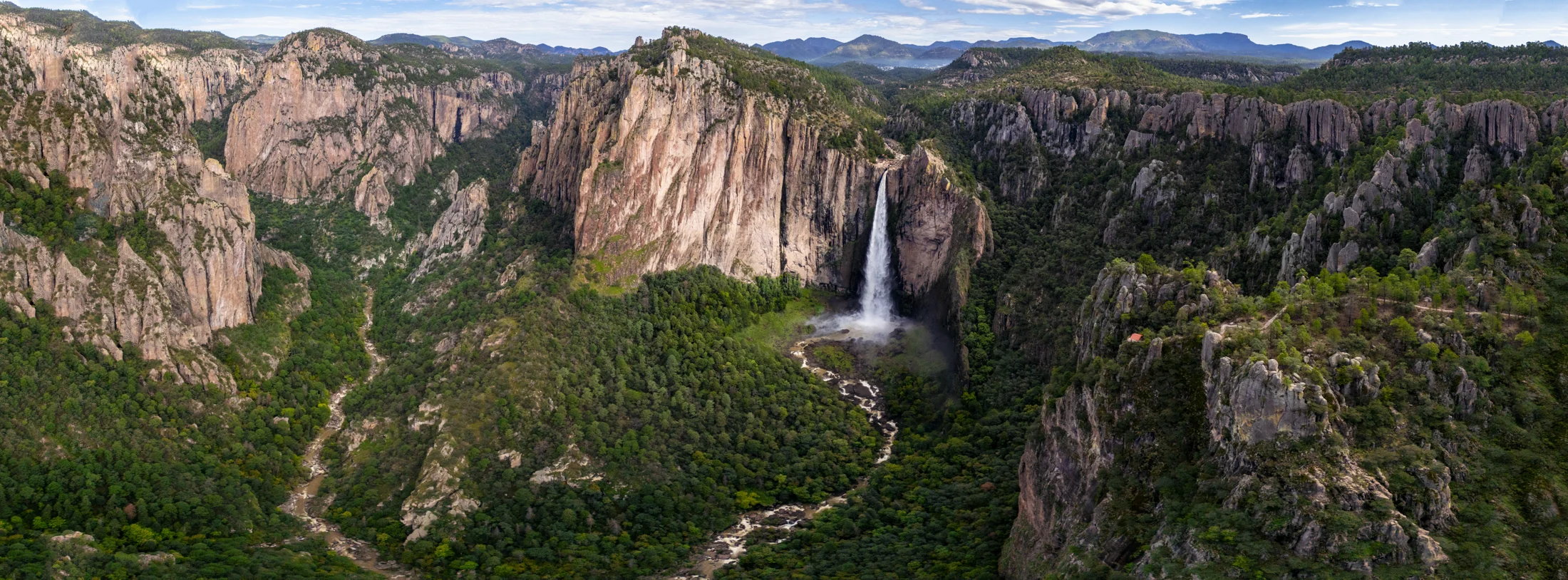
From the air, Basaseachi is not only a waterfall. The canyon, the trees and the long drop explain its scale. If the frame becomes too tight, the water loses its relationship with the landscape. If it becomes too wide, the waterfall disappears. The photograph depends on finding the point where both things remain clear.
The aerial view creates the first chapter of the story. It gives the viewer orientation before any closer or more human image appears. For tourism work, that establishing photograph is important: it turns a location into a destination without making it look detached from its real geography.
Hanoi does not wait
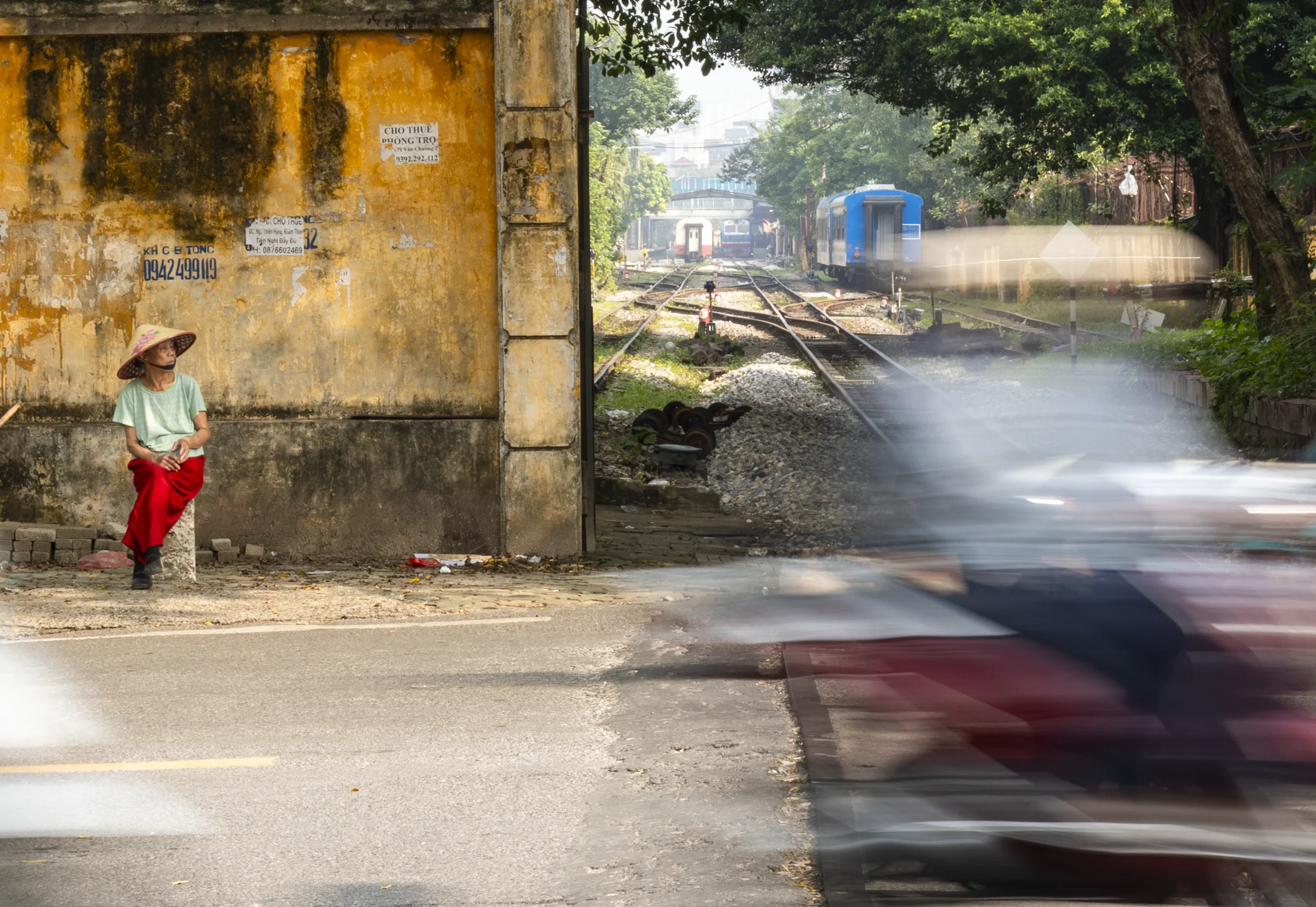
Hanoi works in the opposite way. The frame fills quickly with motorbikes, signs, railway lines, people and weather. Instead of simplifying the street until it looks clean, I prefer to keep enough visual information for the city to remain recognisable. The challenge is to organise the movement without removing its character.
The photograph beside the railway uses the passing motorbike as the moment that activates the scene. The slight movement matters because the city is not standing still for the camera. This is where travel photography becomes less about monuments and more about the experience of moving through a place.
Markets, work and local life
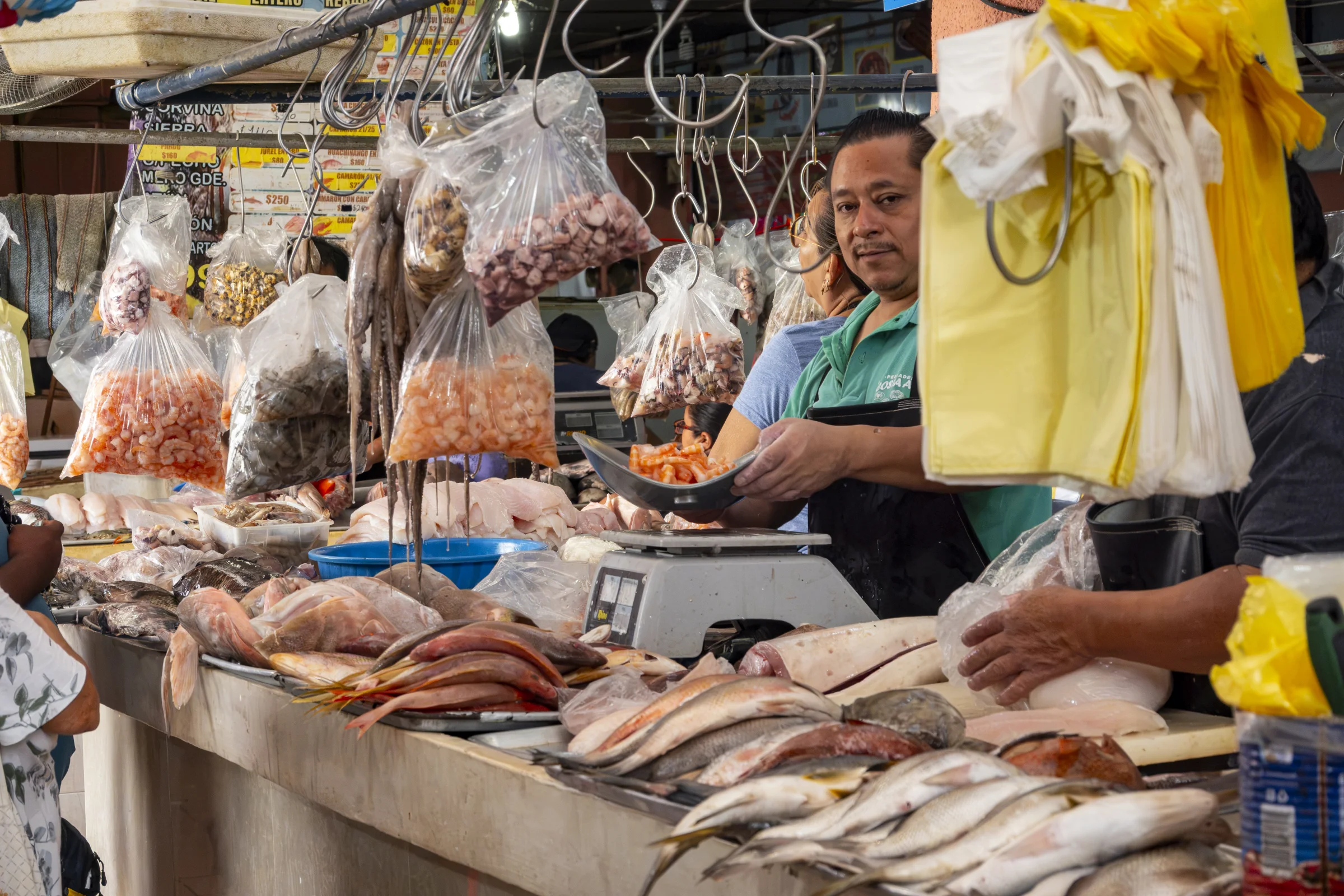
A market adds another layer. It shows routine, work and the way a place feeds itself. The seller is more important than an anonymous detail of produce because a destination is built by people as much as by landscapes. The photograph needs to respect that person while still explaining the environment around them.
Together, canyon, street and market create a more complete visual account. The images can serve a tourism campaign, an editorial feature or a commercial library because they move from spectacle to daily life without pretending that both are the same thing.
What I want a travel story to do
The final edit should make somebody curious about the place while leaving room for discovery. It should provide iconic views, but also texture, movement and human presence. The strongest travel work does not merely prove that the photographer was there. It gives the viewer a reason to imagine being there too.